This release presents the best of the best, with sexy scenes gathered from several years of footage. Locations include birthday parties, beaches, bars, and college dormitories.








This release presents the best of the best, with sexy scenes gathered from several years of footage. Locations include birthday parties, beaches, bars, and college dormitories.

The last female beehunter in Europe must save the bees and return the natural balance in Honeyland, when a family of nomadic beekeepers invade her land and threaten her livelihood. This film which is filmed in Macedonia is an exploration of an observational Indigenous visual narrative that deeply impacts our behavior towards natural resources and the human condition.
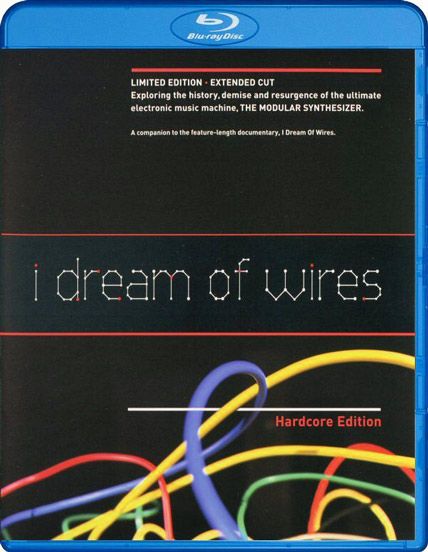
A documentary about the phenomenal resurgence of the modular synthesizer; exploring the passions, obsessions and dreams of people who have dedicated part of their lives to this esoteric electronic music machine.
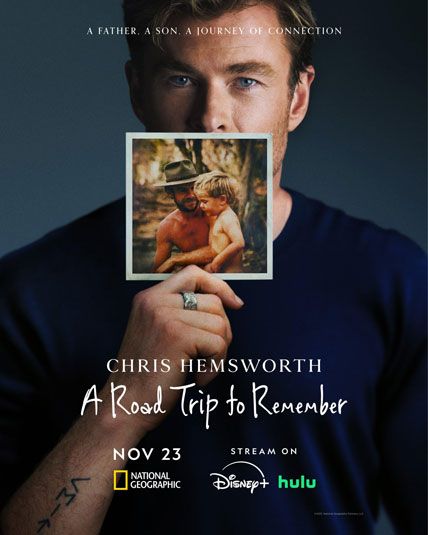
Chris Hemsworth helps his father Craig, diagnosed with Alzheimer’s, by taking him on a memory-filled road trip across Australia, exploring how social bonds and connection can protect brain health and fight dementia.
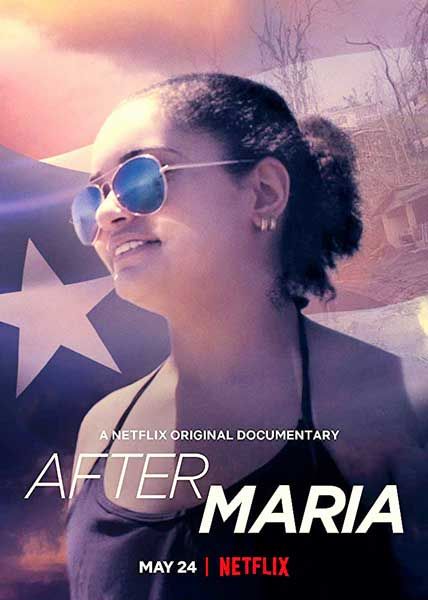
Strong Puerto Rican women forced to flee the island after Hurricane Maria have bonded like family in a FEMA hotel in the Bronx. They seek stability in their new life as forces try to pull them apart.
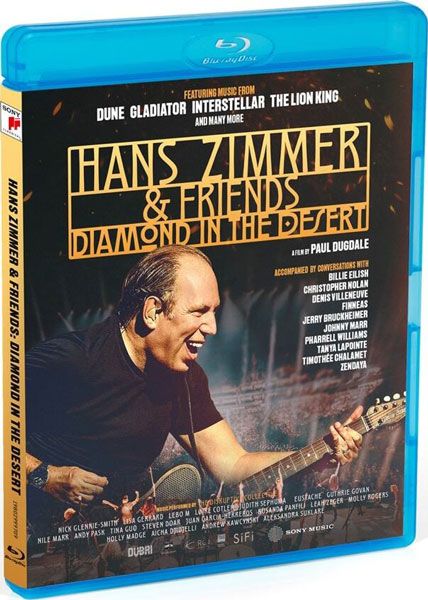
A journey through Dubai featuring live performances at Coca-Cola Arena, intimate talks with friends, and stunning moments across desert dunes and the iconic Burj Al Arab.
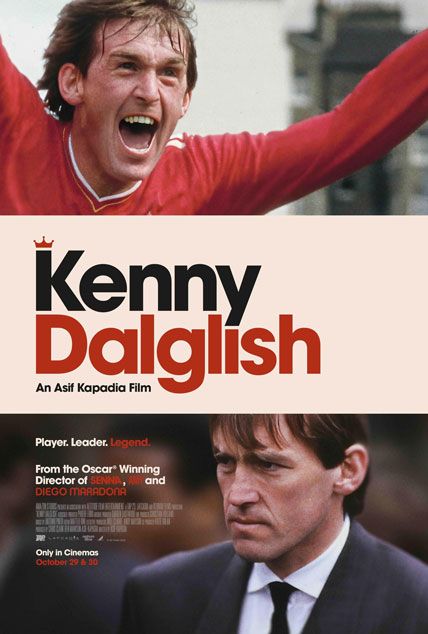
Kenny Dalglish’s journey from Celtic to Liverpool FC, becoming a European soccer legend and Liverpool icon through his impact both as a player and in the community.

During his 24-year tenure at the FBI, Chris Voss developed a set of negotiation skills that apply as aptly to everyday life as they did in high-stakes national and international crime. He rose to become the bureau’s lead hostage negotiator, handling more than 150 international cases, and now he’s CEO and founder of the Black Swan Group, where he and his team train individuals and executives to be effective negotiators.
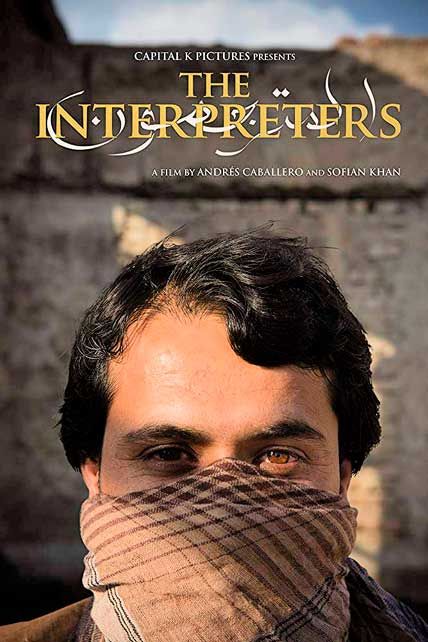
Local interpreters were key to the US war effort, but now many face danger in their countries because of their affiliation. This is the story of how they are rebuilding their lives, told through a chain-smoking Iraqi codenamed “Phillip Morris” who was able to make it to the US with the help of an American soldier he befriended during his deployment, an Afghan called Malik who is still working as an active interpreter at the US base in Kabul despite threats to his life, and another Afghan named Mujtaba who fled with his family as refugees to Turkey.
Behind every breakthrough are the patients who risk everything for everybody else.
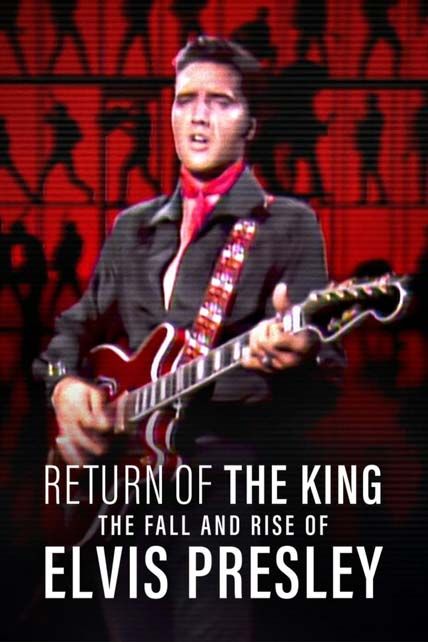
He had one chance to show the world he was still the King of Rock ‘n’ Roll. Discover the story behind Elvis Presley’s triumphant ’68 comeback special.

Ghostheads is a documentary that explores the extreme side of the Ghostbusters fandom, and looks back at the impact the franchise has had on the world over the past three decades. Through interviews with key cast and crew, including Dan Aykroyd, Ivan Reitman, Ernie Hudson and many more, as well as with Ghostbusters fans all over the world, Ghostheads presents countless humanizing stories that will connect with audiences about comradery, overcoming obstacles, and that no one should ever feel alone or isolated. Ghostheads will show what really separates a fandom from the rest. Every Ghosthead is unique. Every Franchise is its own.